Prenatal Nutrition
DHA Supplements: Why They Are Important During Pregnancy
DHA is an omega-3 fat that supports pregnancy nutrition, especially when fish intake is low or inconsistent.

During pregnancy, people talk a lot about iron and folic acid, but DHA also deserves attention. It is a healthy fat that helps in the baby's brain and eye development.
Many Indian families do not eat fish regularly. Some avoid it during pregnancy because of smell, nausea, food habits, or safety worries.
In such cases, a gynecologist may suggest a DHA supplement as part of prenatal nutrition.
Explanation / Uses
DHA stands for docosahexaenoic acid. It is an omega-3 fatty acid found in fatty fish and some fortified foods. During pregnancy, DHA supports the developing brain, retina, and nervous system.
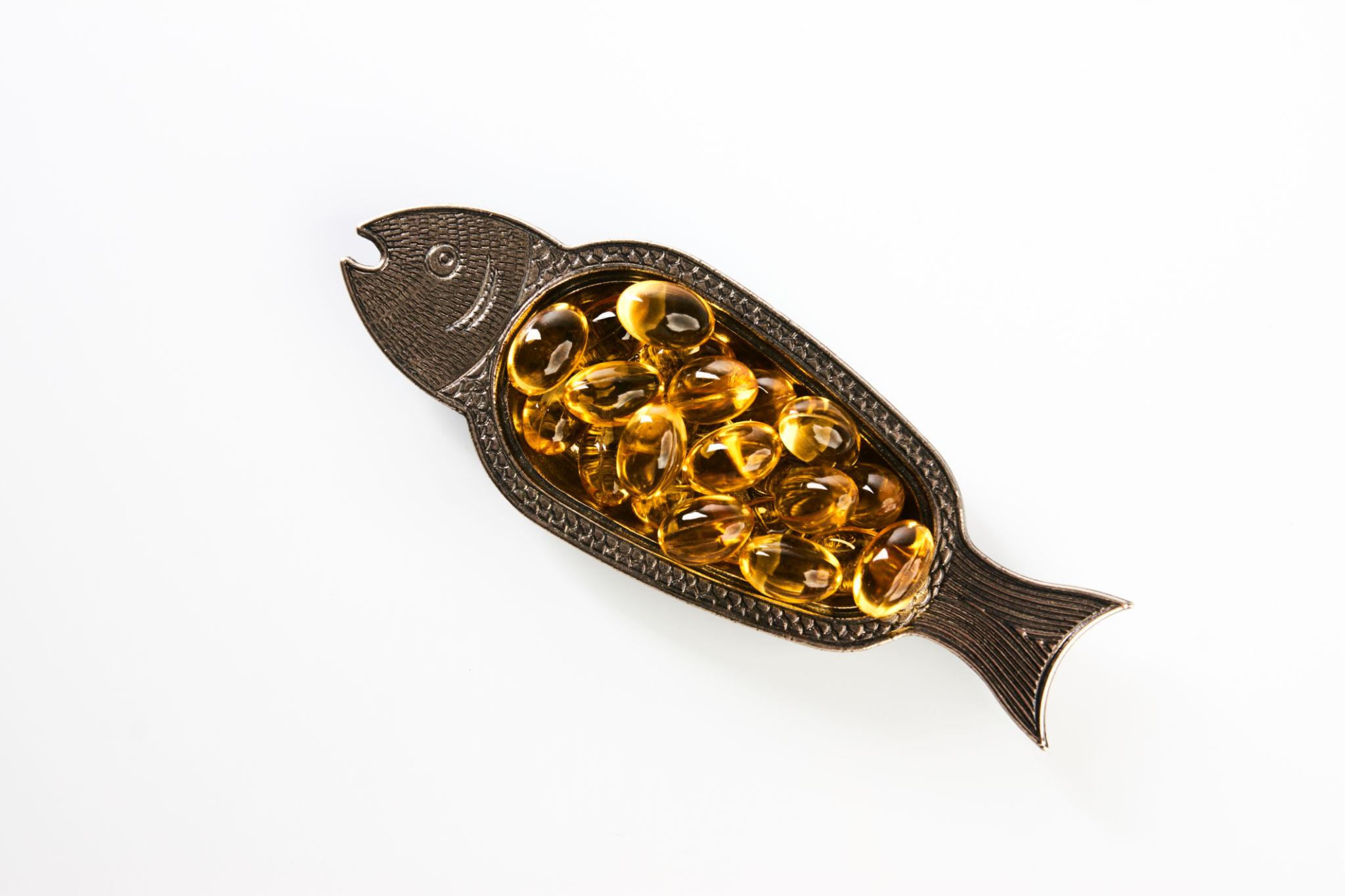
DHA supplements are commonly considered when dietary intake is low. Vegetarian options may use algae-based DHA, while non-vegetarian capsules may use fish oil.
It is not a medicine for making the baby "smarter" overnight. Think of it as one helpful nutrient in a full pregnancy care plan that includes diet, sleep, checkups, iron, folic acid, calcium, and vitamin D when advised.
Benefits
DHA supports fetal brain and eye development, especially in the second and third trimester when growth is active.
It may also support maternal omega-3 status. Some prenatal supplements combine DHA with folic acid, methylfolate, iron, or other nutrients, but the total formula should be checked by a doctor.
For women who cannot tolerate fish during pregnancy, capsules can be a practical way to maintain intake without forcing foods that trigger vomiting.
Dosage
DHA dose varies by prenatal product and medical advice. Many pregnancy supplements contain a daily DHA amount suited for routine support, but your doctor may suggest a specific dose based on diet and risk factors.
Do not take multiple omega-3 products together without asking. High doses can increase bleeding tendency in some people, especially if blood thinners are used.
Choose products from reliable brands, check expiry, and avoid unknown online products that do not clearly mention DHA quantity and source.
Safe use note
Supplement doses are not the same for everyone. Please consult a qualified doctor, gynecologist, pediatrician, or pharmacist before starting, stopping, or changing any dose, especially during pregnancy, breastfeeding, childhood, elderly age, or chronic illness.
Side Effects
DHA supplements may cause fishy burps, nausea, loose stools, acidity, or mild stomach discomfort. Taking them after food may reduce this for some people.
People with fish allergy should not take fish oil DHA unless cleared by a doctor. Algae-based DHA may be discussed as an alternative.
Tips / Practical Advice
- If you eat fish, choose low-mercury options and follow your doctor's diet advice.
- Store capsules as directed because omega-3 oils can smell rancid if poorly stored.
- Tell your doctor before surgery, delivery planning, or if you are on blood thinners.
- Do not skip regular pregnancy supplements because you are taking DHA; each nutrient has a different role.
For Opttus Pharma product information and division details, Check Product Details.
One practical habit is to keep a small note of your symptoms, current medicines, supplement names, and test reports. It helps the doctor understand whether the problem is improving or repeating. This is especially useful for women with heavy periods, pregnant women, elderly patients, children, and anyone taking long-term medicines for thyroid, diabetes, acidity, blood pressure, or kidney problems.
FAQs
It is important for pregnancy nutrition, especially if dietary omega-3 intake is low. Ask your gynecologist about your need.
Yes, algae-based DHA options may suit vegetarians, depending on product availability and doctor advice.
Many doctors include it during pregnancy planning or pregnancy, but timing depends on the prenatal plan.
No. DHA and folic acid have different roles and should not be treated as substitutes.
Medical disclaimer: This article is for educational purposes only and does not replace medical advice, diagnosis, or treatment. Always consult a qualified healthcare professional before starting or changing any medicine, supplement, or dosage.