Diet and Anemia
Best Diet Plan for Iron Deficiency Patients
An iron deficiency diet works best when meals are planned around absorption, not just around adding one healthy item.
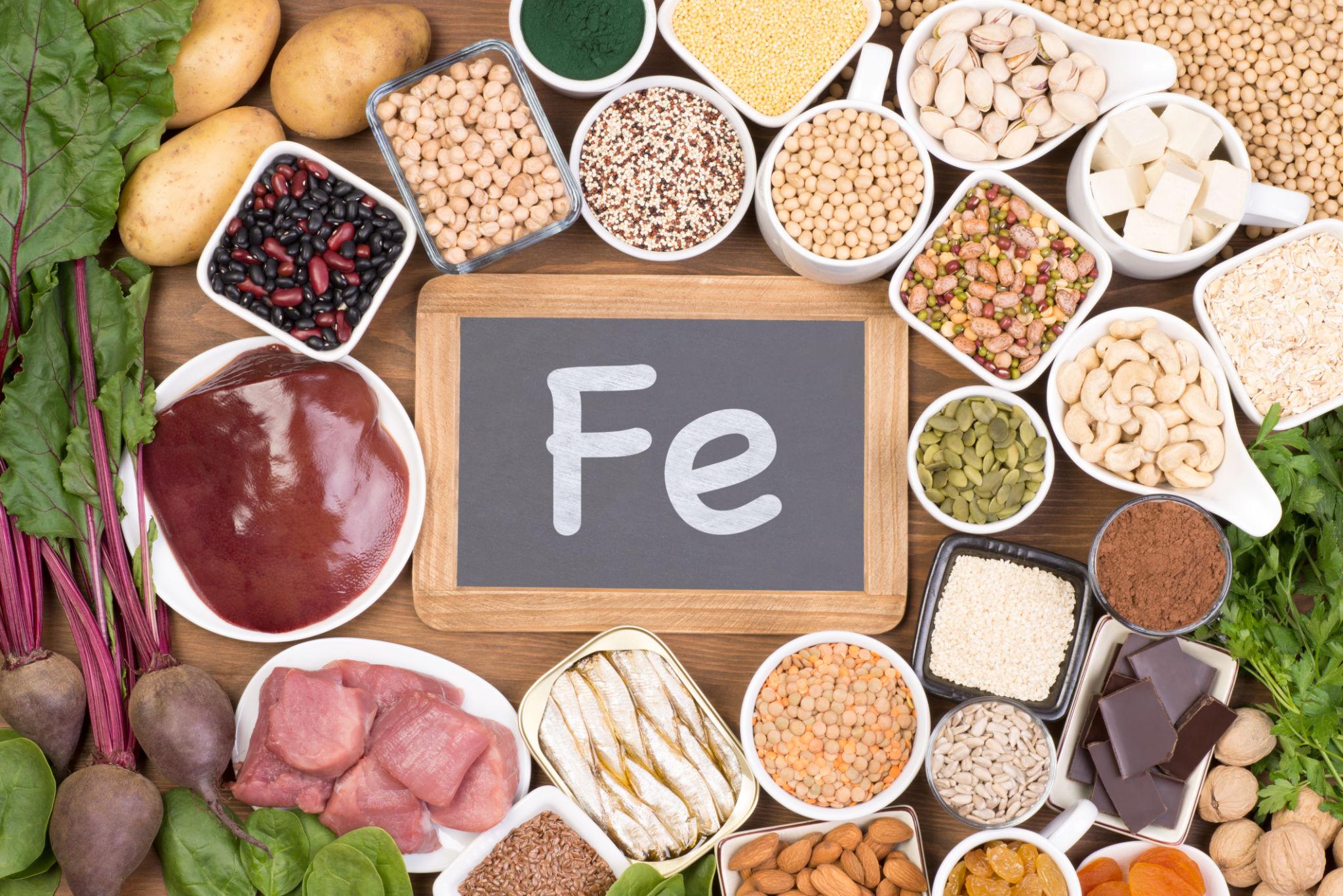
Iron deficiency patients are often told, "Eat palak and dates." That advice is not wrong, but it is incomplete.
Iron absorption depends on the type of food, what you eat with it, and whether your body is losing blood somewhere.
A good diet plan supports treatment, improves energy, and helps prevent deficiency from coming back.
Explanation / Uses
An iron deficiency diet gives the body regular iron through food. There are two types: heme iron from animal foods, and non-heme iron from plant foods.
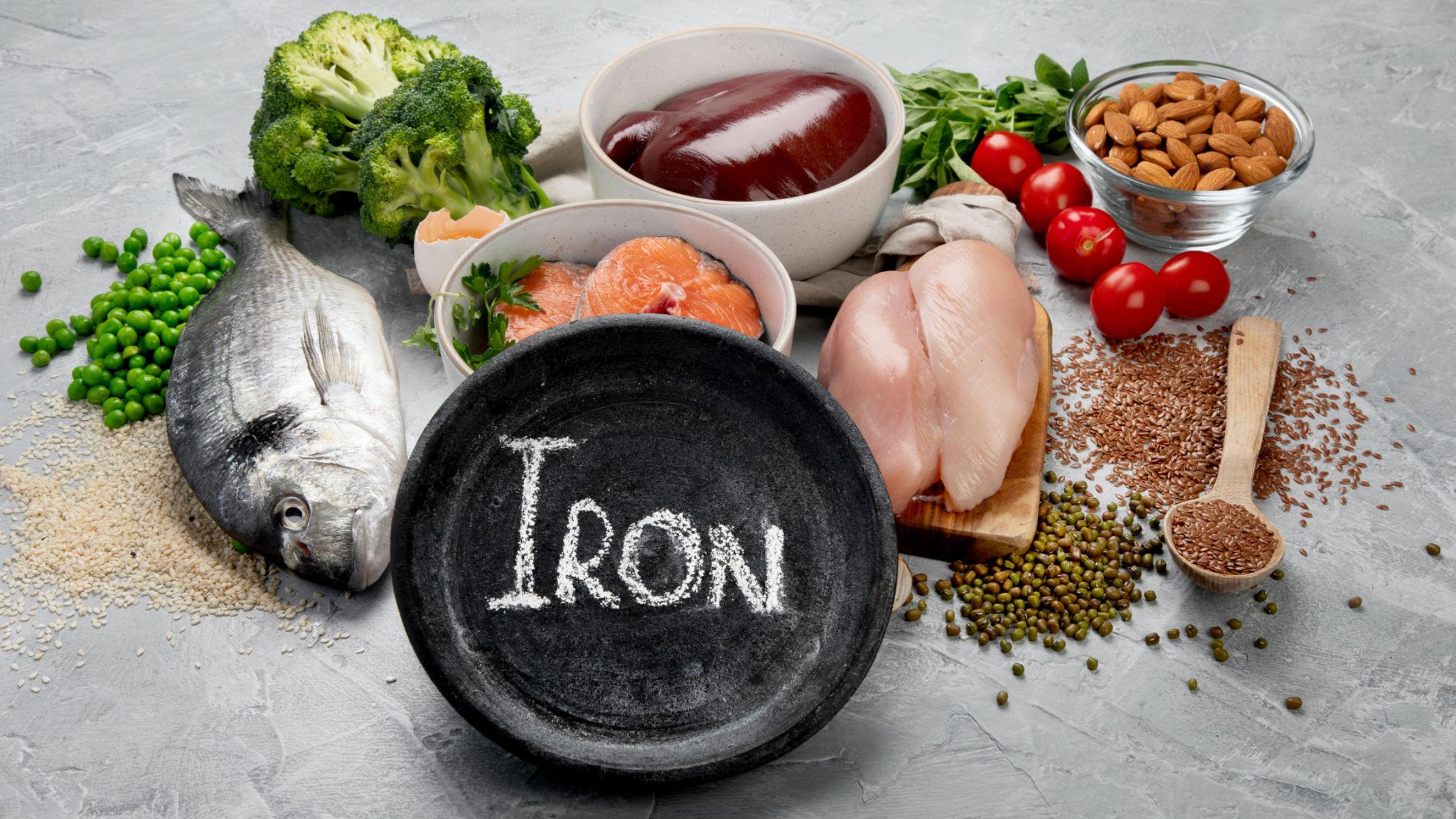
Heme iron from meat, fish, and poultry is absorbed more easily. Non-heme iron from spinach, methi, rajma, chana, soy, sesame, garden cress seeds, dates, and millets needs smart pairing with vitamin C.
Diet is especially important for vegetarians, teenage girls, women with heavy periods, pregnant women, and people recovering from anemia.
Benefits
A steady iron-rich diet supports hemoglobin, reduces fatigue, and builds long-term iron stores when combined with treatment.
It also improves overall nutrition because many iron-rich foods contain protein, folate, magnesium, fiber, and other useful nutrients.
For families, food planning is practical. The same dal, chana, leafy sabzi, egg, fish, or sprouts can help more than one member without making a separate medical meal.
Dosage
Food does not have a tablet-like dose, but consistency matters. Try to include one iron source in two meals daily and one vitamin C source with at least one iron-rich meal.
If anemia is confirmed, your doctor may prescribe iron tablets along with diet. Do not stop tablets early just because you improved your food habits.
Pregnant women and people with low hemoglobin should follow medical dosing because dietary correction alone may be slow.
Safe use note
Supplement doses are not the same for everyone. Please consult a qualified doctor, gynecologist, pediatrician, or pharmacist before starting, stopping, or changing any dose, especially during pregnancy, breastfeeding, childhood, elderly age, or chronic illness.
Side Effects
Iron-rich foods are generally safe, but sudden high-fiber intake from sprouts, beans, and greens can cause gas or bloating. Increase gradually and drink enough water.
People with kidney disease, high uric acid, inflammatory bowel disease, or special diet restrictions should ask a dietitian or doctor before making big diet changes.
Tips / Practical Advice
- Breakfast can include poha with peanuts and lemon, egg, sprouts, or fortified cereal.
- Lunch can include dal, chana, rajma, leafy sabzi, salad with lemon, and curd kept away from the iron-heavy part if needed.
- Snacks can include roasted chana, peanuts, fruit, dates in moderation, or sesame laddoo.
- Dinner can include dal, paneer with greens, egg curry, fish, chicken, or soy based dishes depending on your food habits.
For Opttus Pharma product information and division details, Check Product Details.
One practical habit is to keep a small note of your symptoms, current medicines, supplement names, and test reports. It helps the doctor understand whether the problem is improving or repeating. This is especially useful for women with heavy periods, pregnant women, elderly patients, children, and anyone taking long-term medicines for thyroid, diabetes, acidity, blood pressure, or kidney problems.
FAQs
Mild deficiency may improve with diet, but confirmed anemia often needs supplements too.
Spinach helps, but absorption is limited. Pair it with vitamin C and include other iron sources.
Keep tea or coffee at least one to two hours away from iron-rich meals when possible.
Dates provide some iron and energy, but they are not a complete anemia treatment.
Medical disclaimer: This article is for educational purposes only and does not replace medical advice, diagnosis, or treatment. Always consult a qualified healthcare professional before starting or changing any medicine, supplement, or dosage.