Supplement Choice
Multivitamin vs Iron Supplements: Which is Better?
A multivitamin and an iron supplement are not the same thing, and choosing the wrong one can delay real treatment.

When someone feels weak, the first thought is often, "Should I take a multivitamin?" Sometimes that is enough. Sometimes it is not.
If the real problem is iron deficiency anemia, a regular multivitamin may contain too little iron to correct it.
On the other hand, taking high-dose iron without deficiency can be unnecessary and risky.
Explanation / Uses
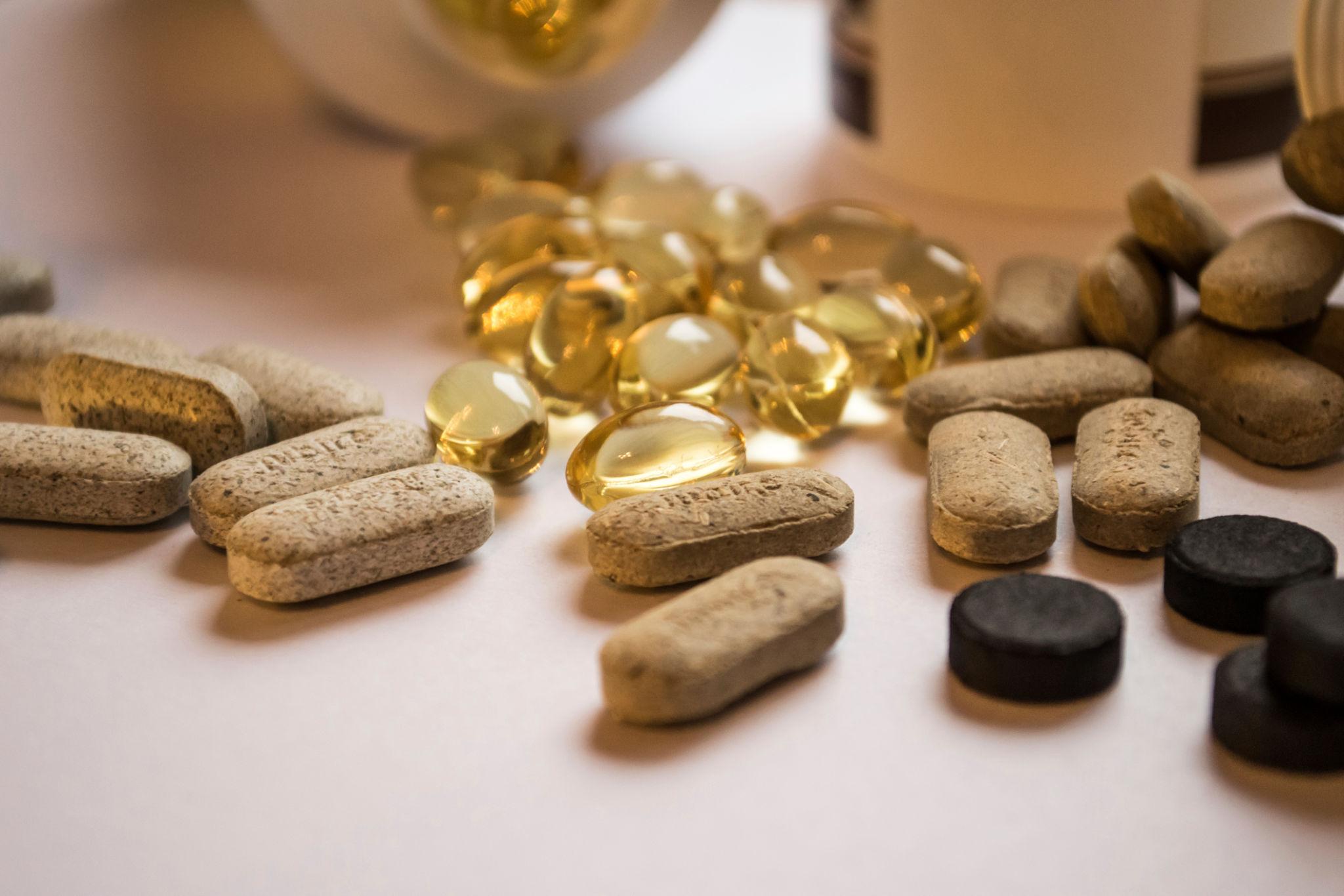
A multivitamin contains a mix of vitamins and minerals, usually in smaller daily support doses. It may include B vitamins, vitamin C, vitamin D, zinc, and sometimes iron.
An iron supplement is more focused. It is used when iron deficiency, low ferritin, or iron deficiency anemia is suspected or confirmed.
The choice depends on the problem. General poor diet may need a multivitamin. Low hemoglobin due to iron deficiency needs proper iron therapy. B12 deficiency needs B12, not only iron.
Benefits
Multivitamins are useful when diet is irregular, appetite is low, or multiple mild nutritional gaps are possible. They are usually not designed to treat moderate anemia.
Iron supplements can raise hemoglobin and restore iron stores when iron deficiency is present. They are more targeted and may be stronger than the iron amount in multivitamins.
The best result often comes from testing first. CBC, ferritin, B12, vitamin D, thyroid, and sugar tests may help if fatigue is repeated.
Dosage
Multivitamins are usually taken once daily after food, but follow the label or doctor advice. Iron supplements may be taken differently depending on dose and tolerance.
Do not take a multivitamin with iron plus a separate iron tablet unless your doctor has checked the total elemental iron.
If you are pregnant, planning pregnancy, elderly, or have kidney, liver, stomach, or blood disorders, supplement choice should be discussed with a doctor.
Safe use note
Supplement doses are not the same for everyone. Please consult a qualified doctor, gynecologist, pediatrician, or pharmacist before starting, stopping, or changing any dose, especially during pregnancy, breastfeeding, childhood, elderly age, or chronic illness.
Side Effects
Multivitamins may cause nausea, acidity, bright yellow urine from B vitamins, or mild stomach discomfort. Iron may cause constipation, dark stools, nausea, and metallic taste.
Too much iron is more concerning than a routine multivitamin because iron overload can be harmful in people who do not need it.
Tips / Practical Advice
- Use a multivitamin for general dietary support, not as anemia treatment unless advised.
- Use iron when reports or doctor assessment suggest iron deficiency.
- Check labels for duplicate nutrients if combining products.
- Review your diet, sleep, and medical history instead of using supplements as guesswork.
For Opttus Pharma product information and division details, Check Product Details.
One practical habit is to keep a small note of your symptoms, current medicines, supplement names, and test reports. It helps the doctor understand whether the problem is improving or repeating. This is especially useful for women with heavy periods, pregnant women, elderly patients, children, and anyone taking long-term medicines for thyroid, diabetes, acidity, blood pressure, or kidney problems.
FAQs
Only if they contain the needed nutrients in enough dose and the deficiency is mild. Iron deficiency anemia usually needs targeted iron.
Only if your doctor approves the total dose and timing.
It depends on the cause of weakness. Testing is better than guessing.
No. Many men's or senior multivitamins contain little or no iron.
Medical disclaimer: This article is for educational purposes only and does not replace medical advice, diagnosis, or treatment. Always consult a qualified healthcare professional before starting or changing any medicine, supplement, or dosage.