Medicine Basics
Tablet vs Syrup Medicine: Which One Works Better?
Tablets and syrups can both work well; the better choice depends on age, dose accuracy, swallowing ability, and the medicine itself.
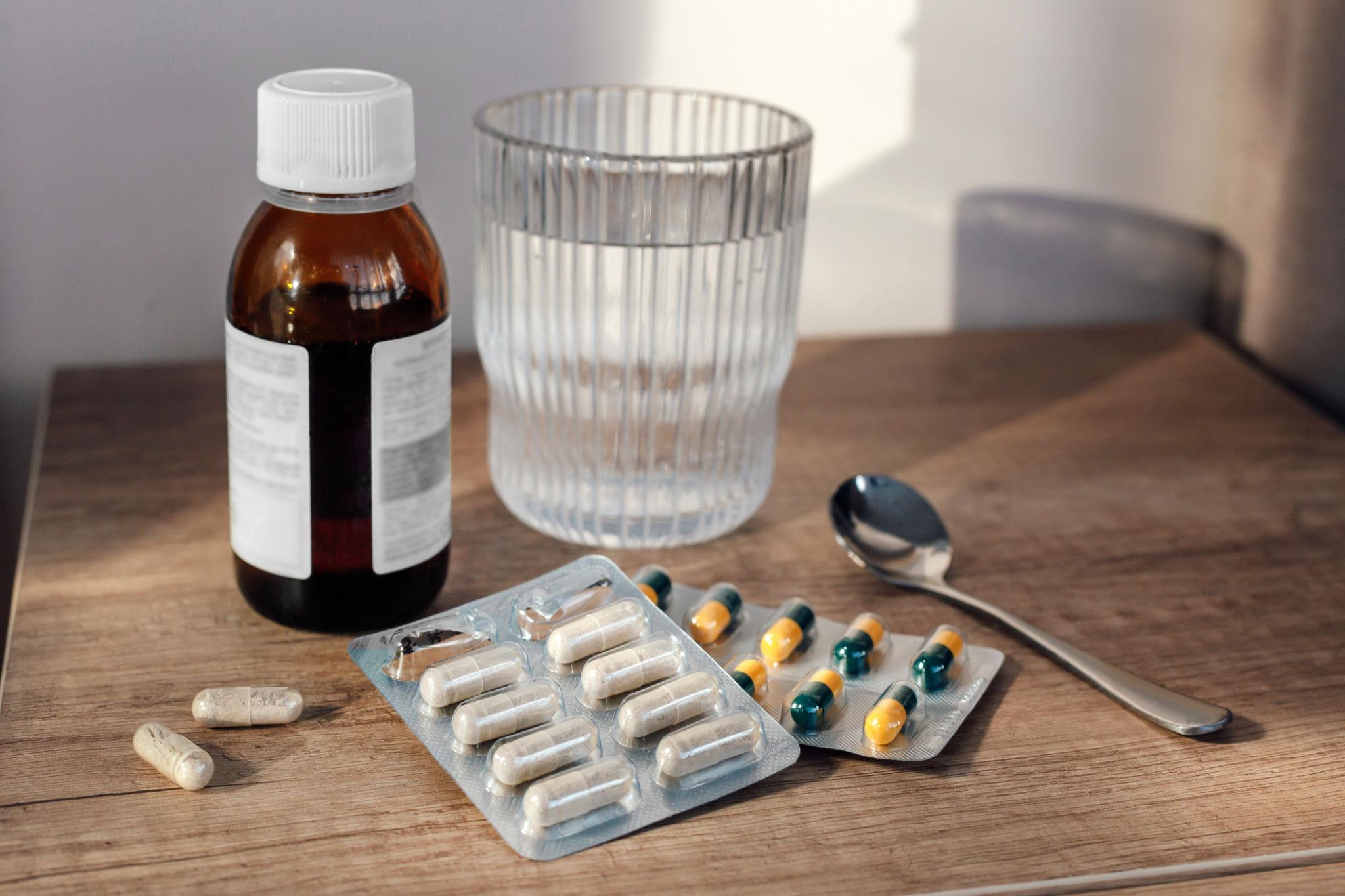
Many parents ask whether syrup is weaker than tablet. Adults often ask whether tablets act faster.
The truth is simple: form alone does not decide strength. The ingredient, dose, absorption, and patient matter more.
A syrup can be powerful if dosed correctly, and a tablet can fail if taken wrongly.
Explanation / Uses
Tablets are solid dosage forms. They suit adults and older children who can swallow properly. They are easy to carry, usually have better shelf life, and can give a fixed dose.
Syrups are liquid medicines. They are useful for children, elderly patients with swallowing difficulty, and people who need flexible dosing based on weight.
Some medicines come in both forms, while others work better or are safer in one form. For example, pediatric medicines often use syrups because children's doses depend on age and weight.
Benefits
Tablets are convenient for travel and routine use. They usually do not need measuring and may be more stable in hot weather if stored correctly.
Syrups are easier to swallow and can be adjusted in smaller dose steps. This is helpful for children, but only when measured with a proper cup, spoon, or syringe.
For taste-sensitive patients, syrups may be flavored. For sugar-restricted patients, tablets or sugar-free alternatives may be better.
Dosage
Dose accuracy is the main point. One teaspoon from the kitchen is not always 5 ml. Use the measuring cap, oral syringe, or dropper given with the medicine.
Do not crush tablets, split coated tablets, or open capsules unless a doctor or pharmacist says it is safe. Some tablets are designed to release medicine slowly.
For children, never convert an adult tablet dose into syrup by guesswork. Pediatric dosing should be based on the product strength and the child's weight or age.
Safe use note
Supplement doses are not the same for everyone. Please consult a qualified doctor, gynecologist, pediatrician, or pharmacist before starting, stopping, or changing any dose, especially during pregnancy, breastfeeding, childhood, elderly age, or chronic illness.
Side Effects
Syrups can cause nausea, loose motions, allergy, or sugar-related concerns depending on ingredients. Tablets can cause acidity, choking risk, or stomach irritation in some medicines.
Both forms can cause side effects if overdosed. Paracetamol syrup overdose in children, for example, can be serious even though the medicine looks simple.
Tips / Practical Advice
- Shake suspensions well before each dose if the label says so.
- Store syrups according to the label and check expiry after opening.
- Keep medicines away from children, especially sweet syrups.
- Ask the pharmacist to explain the exact ml dose before leaving the shop.
For Opttus Pharma product information and division details, Check Product Details.
One practical habit is to keep a small note of your symptoms, current medicines, supplement names, and test reports. It helps the doctor understand whether the problem is improving or repeating. This is especially useful for women with heavy periods, pregnant women, elderly patients, children, and anyone taking long-term medicines for thyroid, diabetes, acidity, blood pressure, or kidney problems.
FAQs
Sometimes liquids absorb faster, but it depends on the medicine and formulation.
Not necessarily. Strength depends on the dose and ingredient amount.
Yes, if the dose is appropriate, but tablets may be more convenient.
Only if the label or doctor allows it, because some medicines interact with milk.
Medical disclaimer: This article is for educational purposes only and does not replace medical advice, diagnosis, or treatment. Always consult a qualified healthcare professional before starting or changing any medicine, supplement, or dosage.